Reset Password

Welcome to Eric Wilkins Residences

Safari in Pian Upe: The Untamed Beauty
of Uganda’s Second-Largest Reserve

“Karamoja’s protected areas, including Pian Upe, present unique opportunities for sustainable tourism and cultural engagement.” – Uganda Tourism Board

Experience Uganda’s Remote Wilderness at Pian Upe Wildlife Reserve

Overview

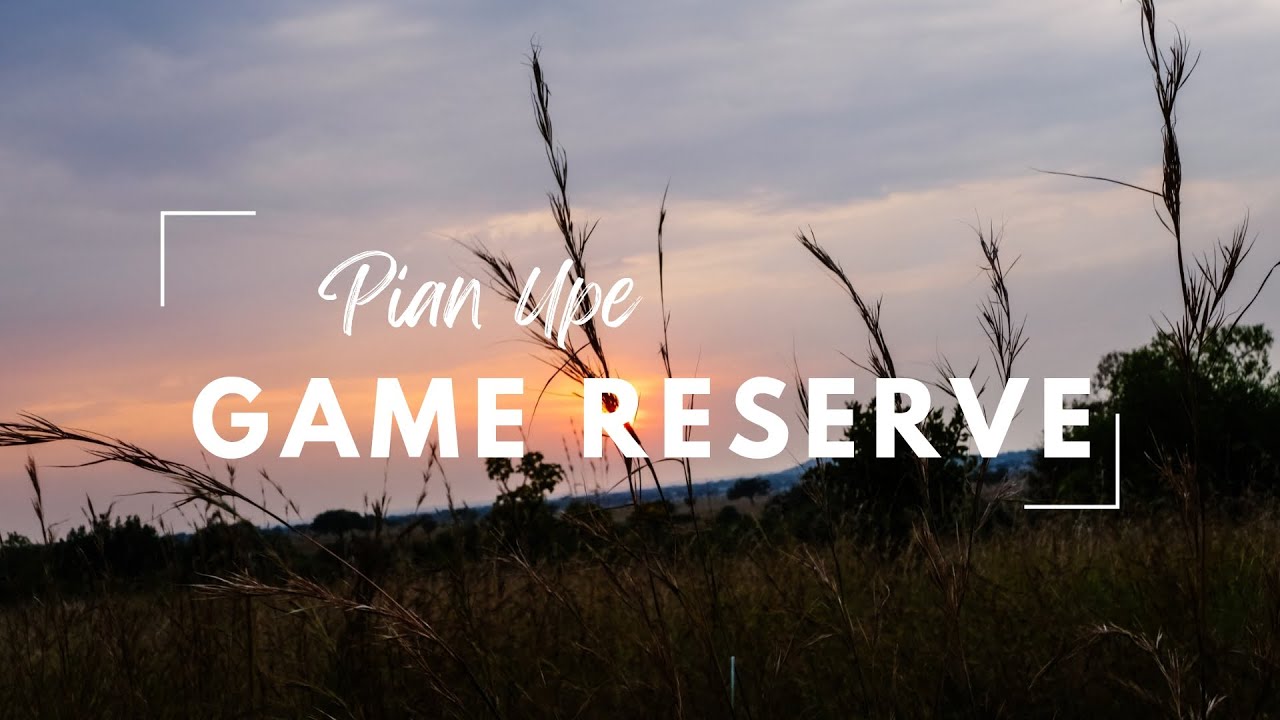
In the far reaches of eastern Uganda lies Pian Upe Wildlife Reserve, a landscape of sweeping grasslands and silent ridges that has remained largely unchanged for centuries. Established in 1964, Pian Upe is Uganda’s second-largest protected area, covering approximately 2,314 square kilometres (231,400 hectares). Once known as the Debasien Animal Sanctuary, it forms part of the larger Karamoja conservation complex, linking to Bokora Corridor and Matheniko Wildlife Reserves.

Remote and lightly visited, Pian Upe offers a safari experience unlike any other in Uganda — vast horizons, unspoiled beauty, and the thrill of discovery in a truly wild frontier.

Geography and Landscape

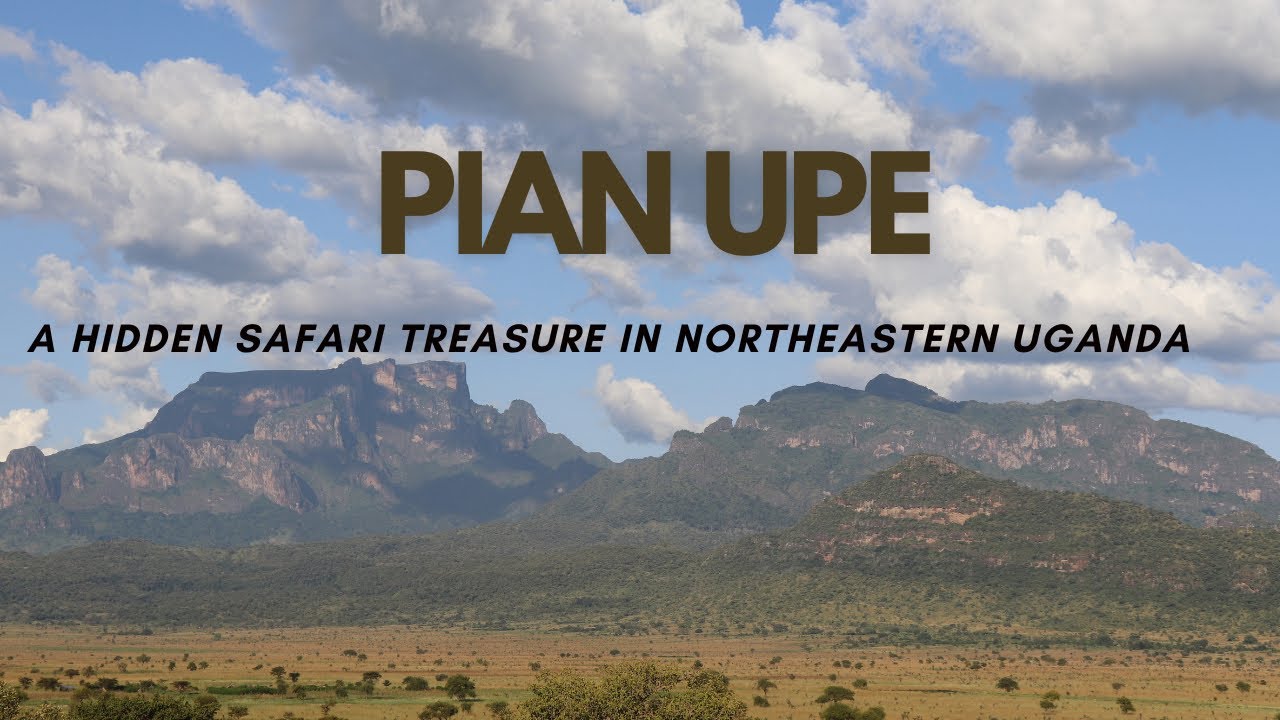
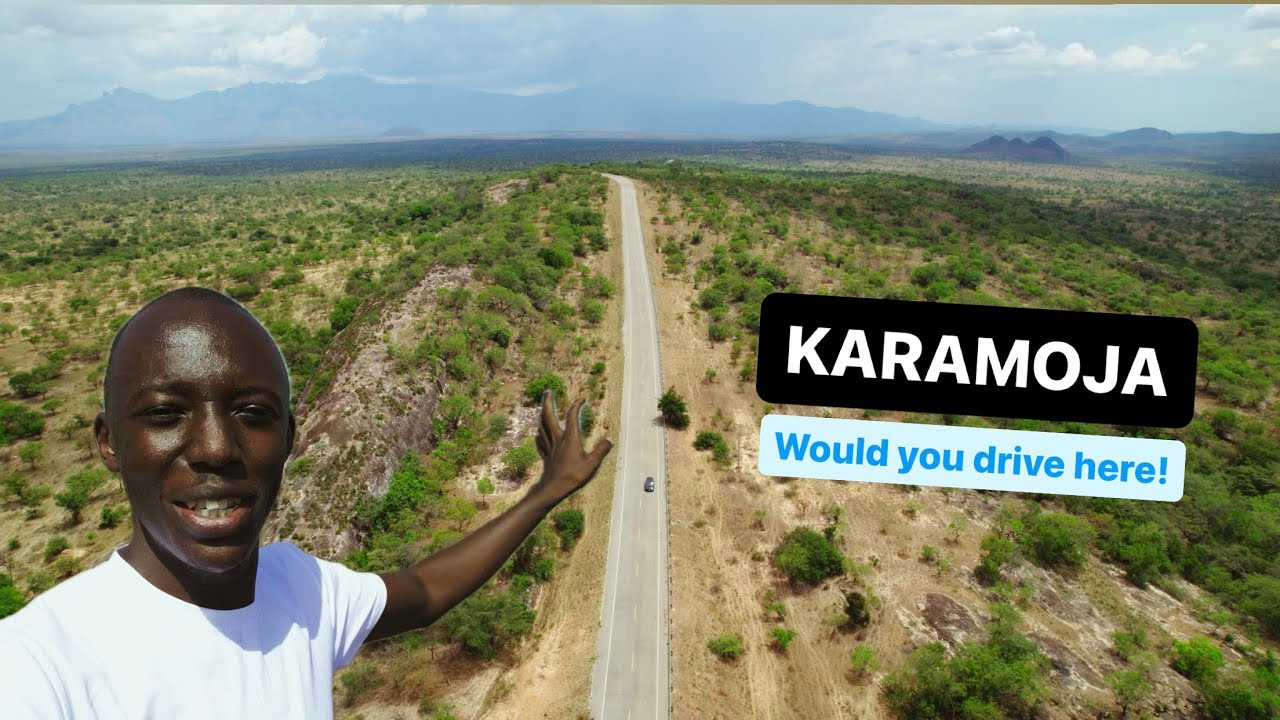
Located north of Mount Elgon and roughly 50 kilometres east of Soroti, Pian Upe occupies a high plateau ranging between 1,000 and 3,068 metres above sea level. The landscape consists of rolling plains, acacia woodland, and seasonal watercourses, with black cotton soil that floods during the rains and cracks open under the dry-season sun.

Dominating the skyline is Mount Kadam (3,068m), once called Mount Debasien, which stands as a sentinel near the Kenyan border. The reserve’s western plains drain into Lake Kyoga, creating fertile pastures that sustain both wildlife and local herds during the wet months.

Vegetation and Climate

The vegetation is primarily wooded savannah grassland, punctuated by thorny shrubs and scattered forest patches, particularly in the northern ridge. During the rainy season, wildflowers and fresh grasses transform the plains into a sea of green, attracting grazing herds from neighbouring reserves.

The area experiences two main seasons — a wet season from March to May and October to November, and a dry season from December to February and June to September.

Accessibility

Wildlife

Pian Upe is home to an impressive array of wildlife, including lion (Panthera leo), leopard (Panthera pardus), and cheetah (Acinonyx jubatus) — one of the few places in Uganda where cheetahs are still found. Other common species include giraffe, buffalo, waterbuck, Uganda kob, mountain reedbuck, oribi, roan antelope, Jackson’s hartebeest, and eland.

During the wet season, large herds of topi, zebra, and eland migrate into Pian Upe from North Bokora and Matheniko reserves to breed, before moving north as the rains begin to fade.

The reserve also boasts a growing reputation among birdwatchers, with sightings of ostrich, secretary bird, and yellow-billed shrike — as well as numerous dryland and grassland species that are rare elsewhere in Uganda.

Cultural Landscape

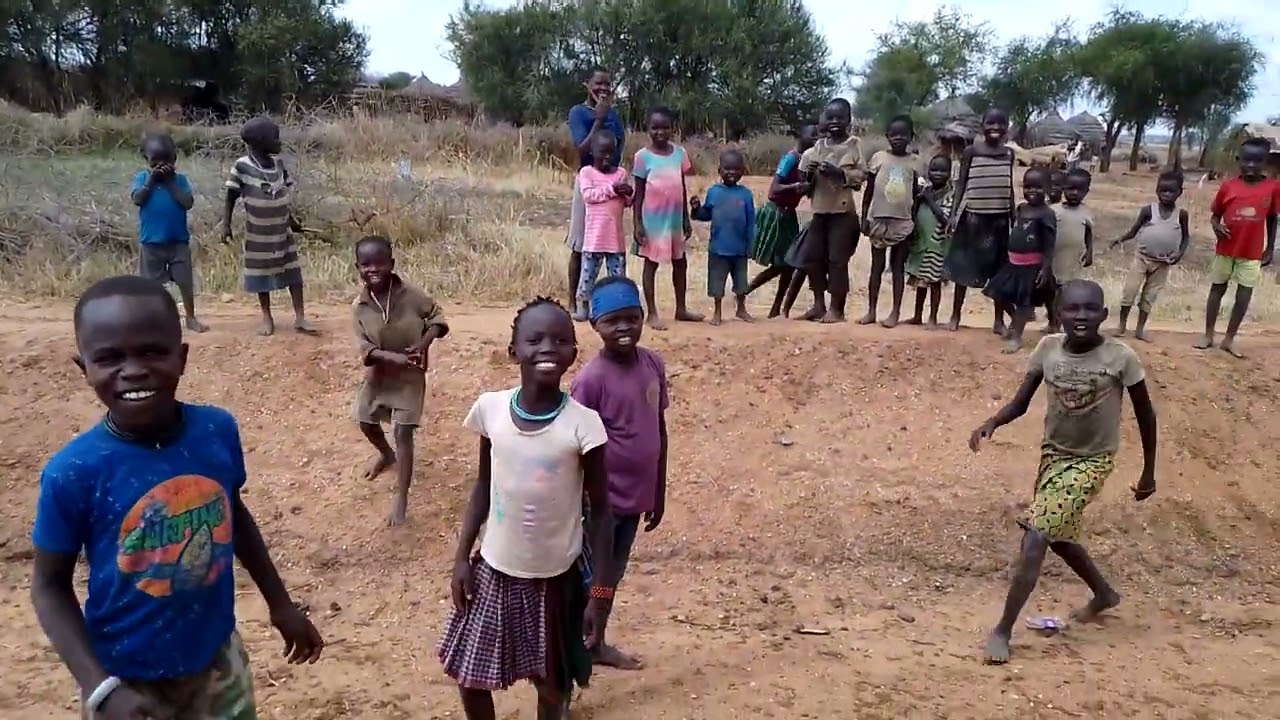
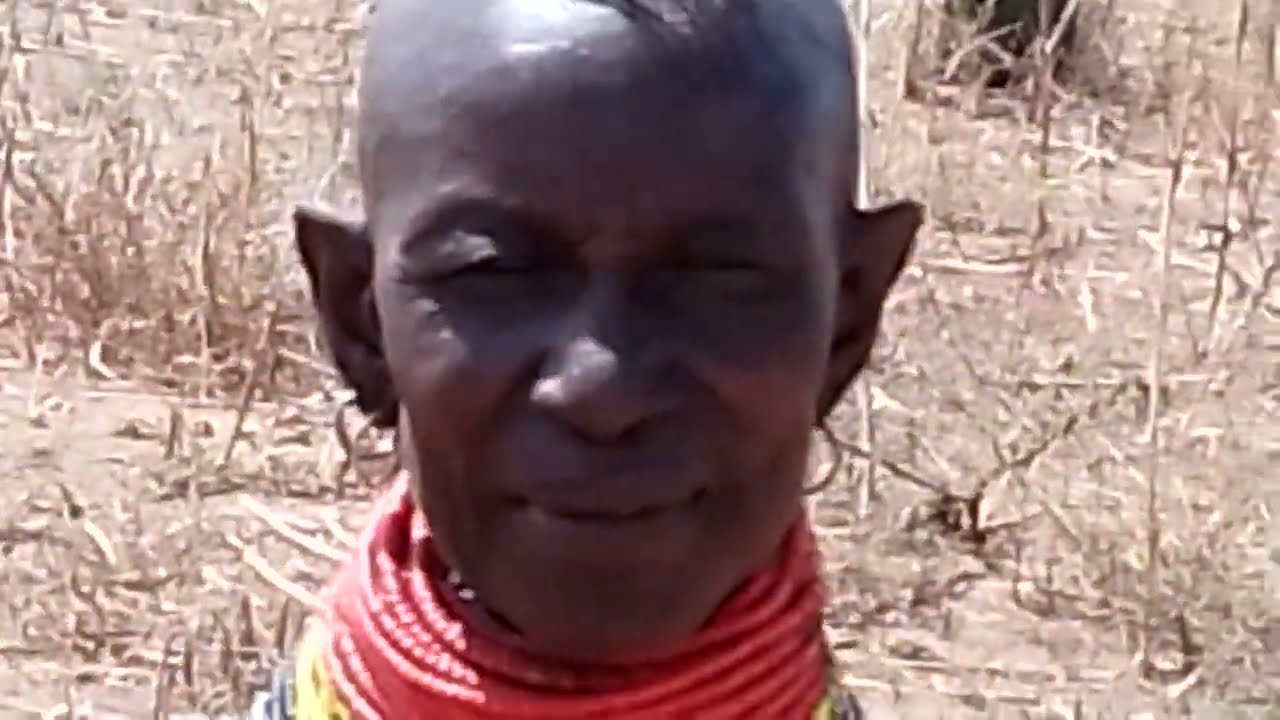
Pian Upe derives its name from the Pian (a Karamojong sub-group) and the Upe (a Kalenjin-speaking group from Kenya), whose traditional grazing areas overlap within the reserve. Their presence reflects centuries of coexistence between pastoral life and wildlife, making Pian Upe not only a natural sanctuary but also a living cultural landscape.

Visitors can experience community tourism through guided village visits, storytelling, and traditional dance performances that reveal the resilience and heritage of the Karamoja people.

Accessibility

Pian Upe is approximately 350 kilometres northeast of Kampala, accessible by road via Mbale, Soroti, and Nakapiripirit. The journey takes 7–8 hours, depending on road conditions. Travellers seeking convenience can charter flights from Kajjansi Airfield or Entebbe International Airport (EBB) to Moroto or Amudat airstrips, followed by a short drive to the reserve.

Health & Safety

Visitors should travel with a registered guide or ranger from the Uganda Wildlife Authority (UWA). Carry sufficient drinking water, sunscreen, and insect repellent. Camping and guided safaris are available through UWA and local tour operators.

The dry season is the most reliable time for game drives, while the wet months offer dramatic scenery and photographic opportunities.

Insider Tips

  • Sunrise and sunset drives are best for predator sightings and soft light photography.

  • Combine Pian Upe with nearby Matheniko and Bokora Corridor for a multi-day Karamoja safari.

  • Bring binoculars and telephoto lenses for birds and distant wildlife.

  • Stop in Sipi Falls or Mount Elgon National Park en route for hiking and scenic views.

Where to Stay

Travellers beginning their safari in Kampala will find Eric Wilkins Residences in Zana an ideal pre- or post-trip base. Located just off the Entebbe Expressway, the residence offers serviced apartments designed for comfort and convenience — perfect for resting before embarking on the long journey east.

Guests enjoy modern facilities, reliable transport connections, and easy access to Kajjansi Airfield, where charter flights to the Karamoja region are available.

Departure & Booking Information

Permits and guided tours for Pian Upe can be arranged through the Uganda Wildlife Authority or accredited tour companies.
Accommodation and transfers from Kampala or Entebbe can be coordinated directly through Eric Wilkins Residences for a smooth travel experience.

Frequently asked questions

1. When is the best time to visit Pian Upe?

The best time to visit is during the dry seasons (December–March and June–September), when roads are passable and wildlife gathers near water sources.


Visitors can expect to see cheetahs, giraffes, buffalo, antelope species, and ostriches, along with migratory herds of topi, zebra, and eland during the wet months.


It’s an 8-hour drive via Mbale and Soroti, or travellers can charter flights from Kajjansi or Entebbe to Moroto. Staying at Eric Wilkins Residences in Zana before the trip offers convenience and rest before the journey.

Safari in Pian Upe: The Untamed Beauty of Uganda’s Second-Largest Reserve

  1. Journey north of Mount Elgon to discover Pian Upe — where Africa’s great plains meet Uganda’s high plateau. A rare gem for explorers, photographers, and conservation-minded travellers.

Playlist

9 Videos

Our Listings Locations on the Map

Find our why we offer you the most affordable options

click to enable zoom
Loading Maps
We didn't find any results
open map

Great stays for under
$40 a night

Take in the charm of popular destinations on a budget that suits you.